


Kombu to Men Kiichi: Kyoto's Kombu Ramen Workshop
Some ramen shops are hard to find. Others are hard to get into. Kombu to Men Kiichi (昆布と麺 喜一) in Kyoto falls squarely into the second category.

Reservations are extremely limited—only a handful of seatings open each week—and when they do, they disappear fast. After some persistence (and a bit of luck), I managed to secure a spot.

This spot has recently been making serious waves in the ramen world, even earning recognition from the Michelin Guide with a Bib Gourmand designation.

The ramen counter sits on the second floor of a kombu specialty shop, a store dedicated entirely to kelp from around Japan.
Before heading upstairs, you’re surrounded by kombu in all kinds of forms—thick dried sheets, shaved strands, snack-style kombu, and regional varieties used in traditional Japanese cooking.

The shop’s goal is simple: to show just how extraordinary kombu can be as an ingredient.
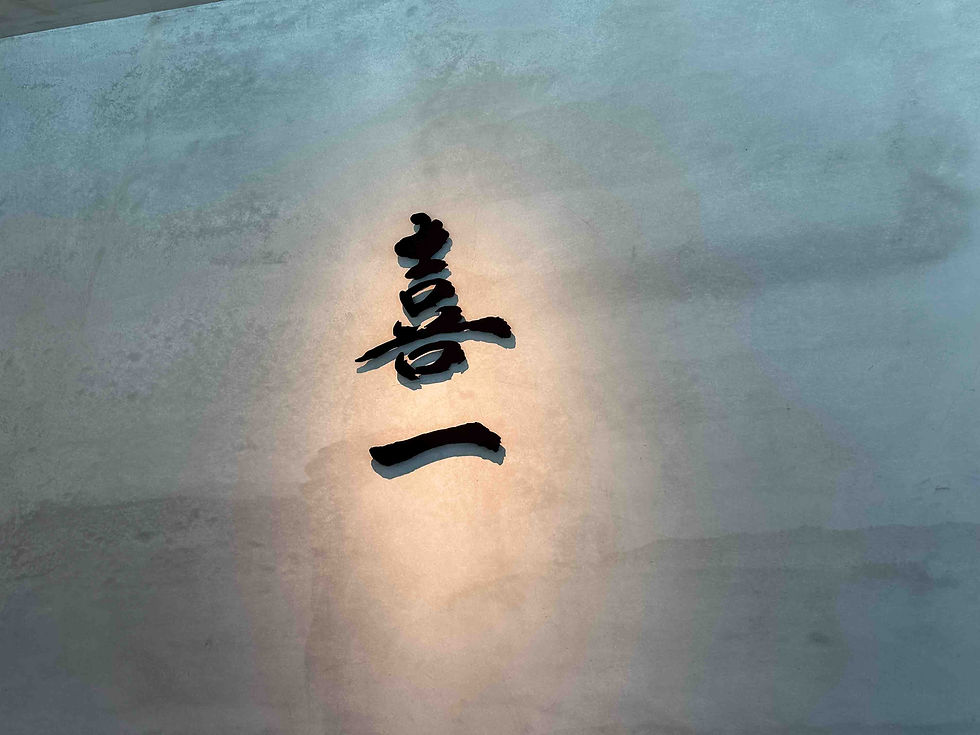
Originally, the team considered showcasing kombu through udon. But in the end they decided ramen would be a better medium. The result is one of the most unique ramen experiences in Japan.
A Kombu Tasting Before the Ramen
Before the bowl arrives, the experience begins with a short kombu tasting. It almost feels like a wine tasting—but for kelp.

Guests are introduced to three different types of kombu, each with its own personality and role in Japanese cooking:
Rishiri kombu, prized for its clean, elegant umami and widely used in Kyoto cuisine
Ma kombu, considered one of the most highly regarded kombu varieties in Japan, valued for its versatility and balanced flavor
Rausu kombu, which delivers the most robust and powerful taste of the three
Each one is presented in several forms. Thin shavings. Edible strips. Even small cups of kombu water, allowing you to taste the differences directly.

The chef shaves the kombu in front of you and encourages guests to try it in different ways. For ramen fans used to thinking about pork bones or chicken broth as the backbone of soup, it’s a fascinating reminder that kombu has long been one of the foundations of Japanese umami.

The Ramen: Quietly Complex
After the tasting portion, the ramen arrives. The soup is extremely delicate, built around kombu and lightly seasoned with salt. There’s no chemical seasoning here—just natural umami layered carefully together.

Supporting ingredients include:
Surume (dried squid)
Shiitake mushrooms
Bonito flakes
The result is a broth that feels refined and quietly powerful. The the flavors unfold gradually as you drink it.

The noodles are made from whole wheat flour, giving them a gentle nuttiness that works beautifully with the kombu-forward broth. Toppings stay restrained as well, including takenoko (bamboo shoots) and strands of kombu.
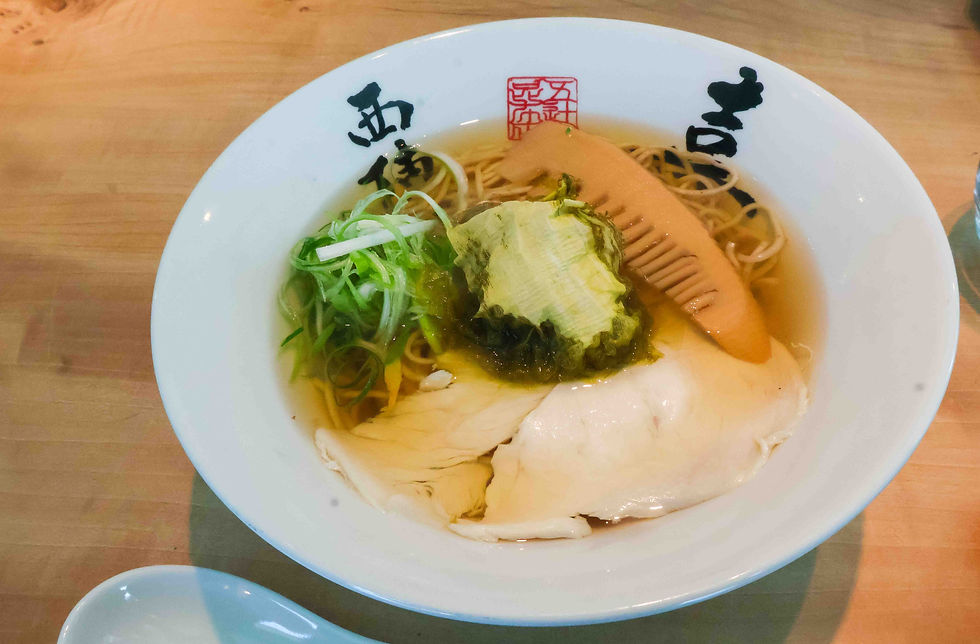
One of my favorite details was the shredded kombu in the bowl, which softens in the soup and develops a slippery, almost silky texture. It's subtle, but it reinforces the entire theme of the meal.
A 45-Minute Ramen Workshop
The entire experience lasts about 45 minutes, and it feels less like visiting a typical ramen shop and more like attending a small workshop dedicated to kombu.

And then you see how everything comes together in the bowl. Japan has 30,000 ramen shops, many of them built around heavier styles—porky tonkotsu, aggressive niboshi broths, or thick chicken paitan.

Kombu to Men Kiichi sits at the opposite end of the spectrum. It's ingredient-driven, delicate, and deeply focused on one of Japan’s most important culinary elements.
Kombu to Men Kiichi - One of Japan's Most Unique Ramen Experiences
Because of the Michelin recognition and the shop’s growing reputation, reservations have become incredibly difficult to secure.

But if you’re curious about the foundations of Japanese umami—or simply want to experience ramen from a completely different angle—Kombu to Men Kiichi is one of the most fascinating bowls in Japan right now.

Few ramen experiences begin with a kombu tasting.And even fewer manage to turn kelp into the centerpiece of an entire ramen journey.


