


Tokyo Tonkotsu Ramen – 10 Bowls Worth Traveling For
Tonkotsu ramen in Tokyo is a spectrum. Some bowls are light and silky. Others are thick, porky, and unapologetically intense. While the style originates in Fukuoka, Tokyo has long developed its own tonkotsu personality - ranging from traditional Hakata and Nagahama styles to bold, modern interpretations.
Tokyo Tonkotsu Ramen - Top 10
These are my top 10 bowls of Tokyo tonkotsu ramen, based on real visits, real slurps, and real flavor.
1. Kanaya (Honancho)
Kanaya (濃厚ラーメン かなや) sits firmly on the richer side of tonkotsu. The broth is thick, instantly powerful, and wonderfully lip-smacking. Personally, I prefer their spicy “Taiwan” version, which adds brightness and balance to the broth’s sheer intensity. They also offer a garlic oil–infused bowl and even a soupless option.

Kanaya doesn’t do light tonkotsu - the soup is hefty from the very first sip. But it’s still surprisingly easy to keep slurping, with a level of refinement beneath all that richness. You can choose thick or thin noodles; the thick ones, in particular, are fantastic. Map Link
2. Barikote (Koenji)
The broth here is made from 100% pork bones, with just the right amount of classic tonkotsu funk. Despite the name “Barikote,” which means “extra rich” in the Hakata dialect, it refers to flavor intensity rather than oiliness or thickness. In short, the broth at Barikote (博多ラーメン ばりこて) is nowhere near as heavy as Kanaya’s.
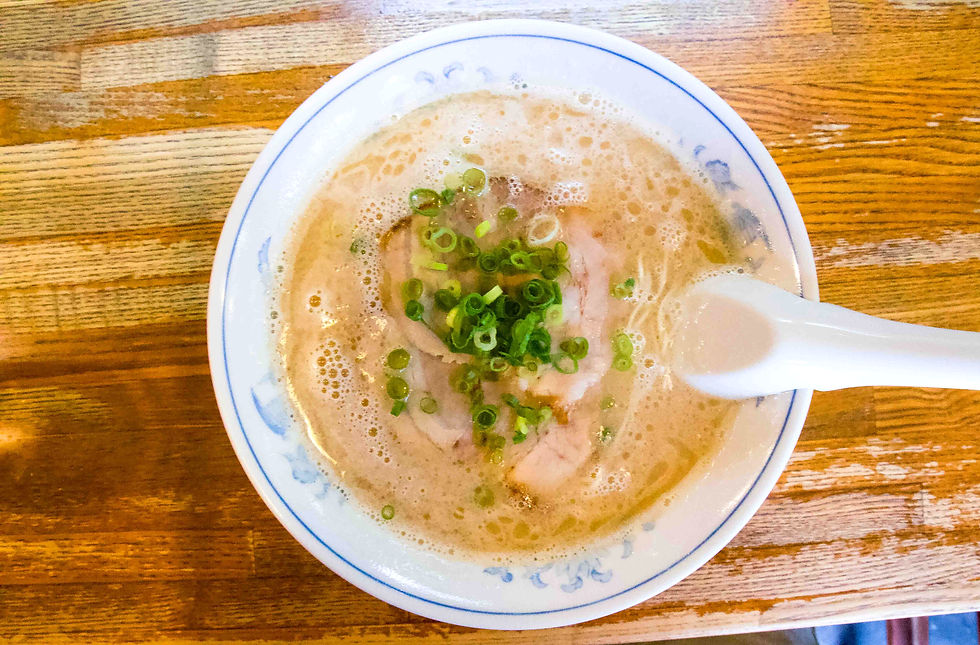
The seasoning blends dried flying fish from the Genkai-nada Sea with sweet Fukuoka soy sauce, giving the soup a subtle lift. The noodles are shipped directly from Fukuoka every day - chosen specifically for flavor rather than texture - and you can select from five firmness levels. And for all this, the ramen is very reasonably priced.
3. Tanaka Shoten (Hanahata)
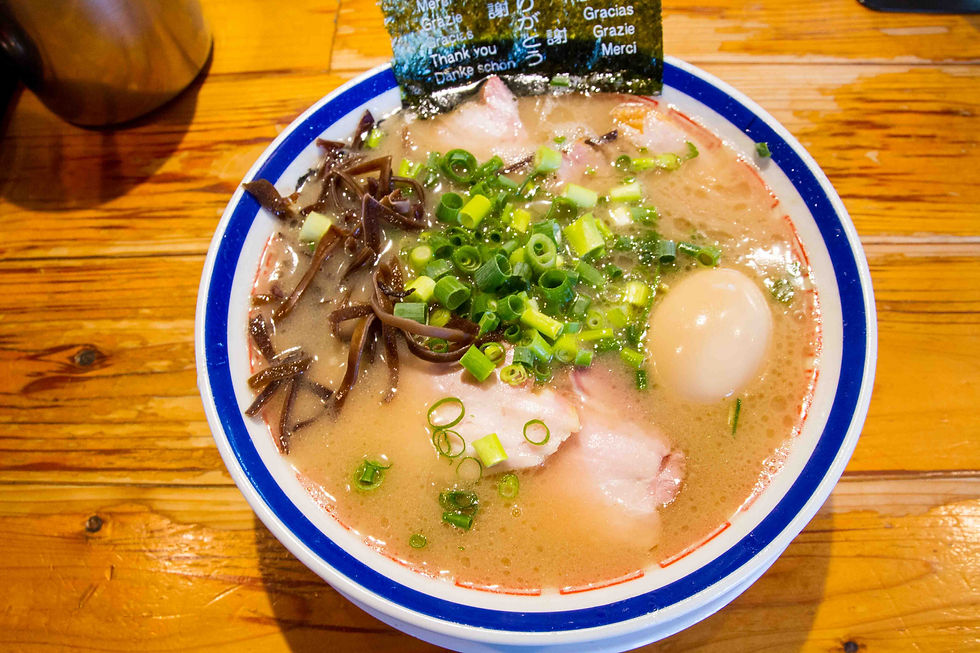
Tanaka Shoten is a true pilgrimage - both for its location in North Tokyo and for the bowl itself. Their Hakata-style tonkotsu is made using only pig head bones, boiled for three full days until the marrow practically dissolves into the soup.

The result is an intensely extracted broth with a depth Japanese reviewers often call “marrow-rich.” It has that unmistakable Hakata-style aroma and captures the full spirit of long-boil tonkotsu. Easily one of Tokyo’s most authentic Hakata experiences. A fun touch: their nori sheets come printed with “thank you” in multiple languages. Map Link
4. Ramen Kenta (Koenji)
Kenta (ラーメン健太) leans toward Nagahama style, with a low-simmer broth that’s lighter but still full of flavor. This approach draws out the natural sweetness and umami of the pork without drifting into marrow-heavy territory. The soup has a gentle, slightly oily sheen typical of the style, with just a hint of color from the shoyu seasoning.

It’s a great choice for anyone who wants tonkotsu without the heavier, milkier punch. True to its Fukuoka roots, the grungy, compact interior fits the classic “hole-in-the-wall” description perfectly.
I’ve eaten an unreasonable amount of ramen in Tokyo. The Tokyo Ramen Guidebook is how I make sense of it all - and how you can too.
5. Ramen Kazu (Akasaka)
Gritty, porky, and full-bodied. Kazu’s (博多ラーメン 和) tonkotsu broth has that slightly grainy, marrow-rich texture hardcore fans love. The soup takes nearly two full days to prepare and is built using pig heads, back bones, feet, and back fat - creating a deep, layered flavor.
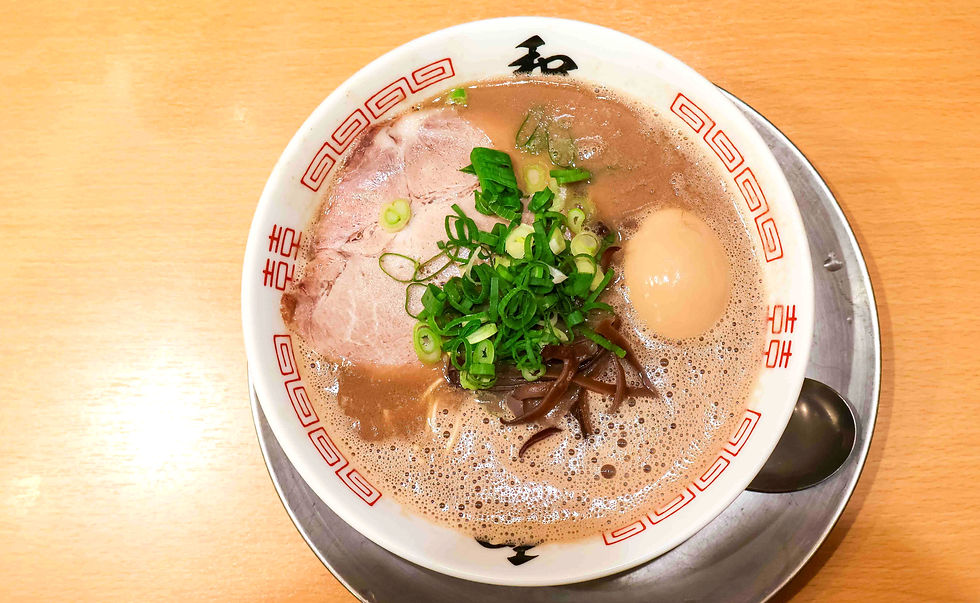
They also use the yobimodoshi technique, continually adding fresh stock to an existing base to build even more complexity over time. A punchy shoyu seasoning adds extra depth and gives the broth its darker brown color. Like many Hakata-style shops, you can choose your noodle firmness; katame is a great call if you like a firmer bite. Map Link
6. Ramen Nagi Butao (Shibuya)
With Nagi’s global branches, you may have already enjoyed their fun, modern take on tonkotsu back home. But this Shibuya location is the flagship. Beyond the classic white broth, Nagi (ラーメン凪 BUTAO 渋谷店) offers red (spicy), black (garlic oil), and green (basil and cheese) versions - each with its own personality.

Despite the bold colors and toppings, this is tonkotsu ramen done right. Unlike some shops on this list where you can smell the pork from a block away, Nagi keeps things clean. They serve delicious tonkotsu with a refined aftertaste no matter which version you choose. There are even tables here, a rarity among Tokyo ramen shops.
7. Aka Noren (Roppongi)
A transplant from Fukuoka City - tonkotsu ramen territory - Aka Noren (博多麺房赤のれん 西麻布本店) has been serving Hakata-style tonkotsu in Tokyo since the 1960s, possibly making it the city’s first true Hakata ramen shop. The broth sits right in the middle in terms of heaviness, though it can feel richer if you go for a generous serving of their well-known chashu pork.
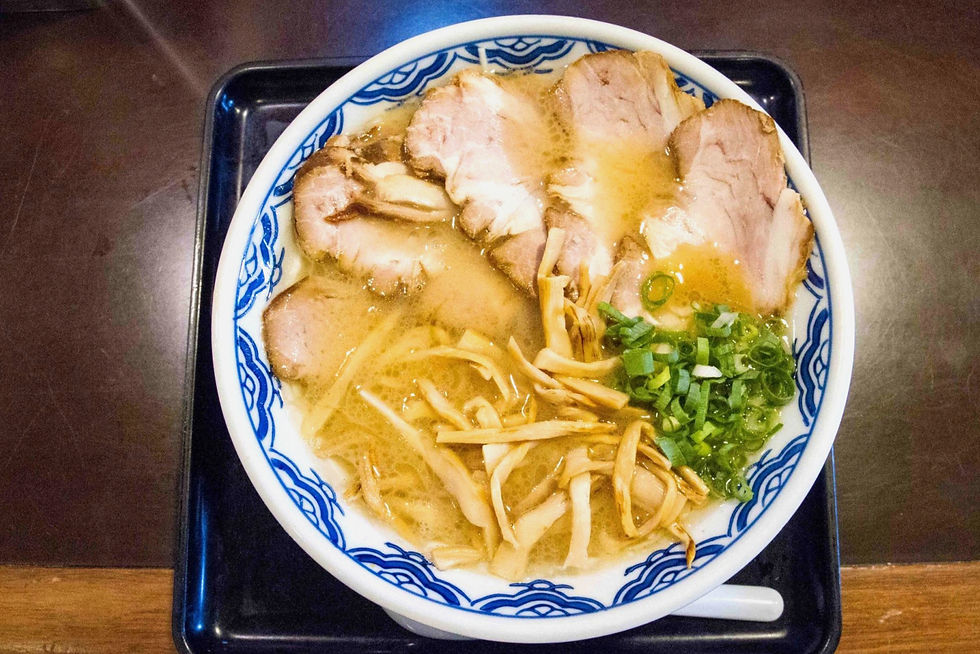
That satisfying weight is likely part of why it’s been a late-night staple in Roppongi for decades (they’re open late). Nostalgic, simple, and deeply comforting. The shop itself has a bit of grunge to it - fitting for a place frequented by late-night revellers. Map Link
8. Nagahama No. 1 (Okayama)
Nagahama No. 1 (長浜ナンバーワン 大岡山店) is the Tokyo branch of a well-known Fukuoka shop, serving the kind of straightforward tonkotsu you’d get down there. Expect firm, thin noodles and a creamy white pork broth that stays true to the style.

The Tokyo version isn’t as syrupy as the original in Kyushu and leans a bit creamier instead. Like many Hakata and Nagahama shops, you’ll find benishoga (red pickled ginger) and sesame seeds at the counter - perfect for customizing your bowl. You can also choose your noodle firmness, just as you would in Fukuoka.
9. Mendokoro Isshō (Meguro)
Isshō (麺処一笑) takes a creative, modern approach to tonkotsu. Their 100% pork-bone soup is undeniably porky, built from pork back fat, trotters, back bones, and other cuts that give it a full-bodied depth. It carries Kazu’s soy-seasoned grittiness, yet remains smooth at the same time, echoing Nagahama No. 1.
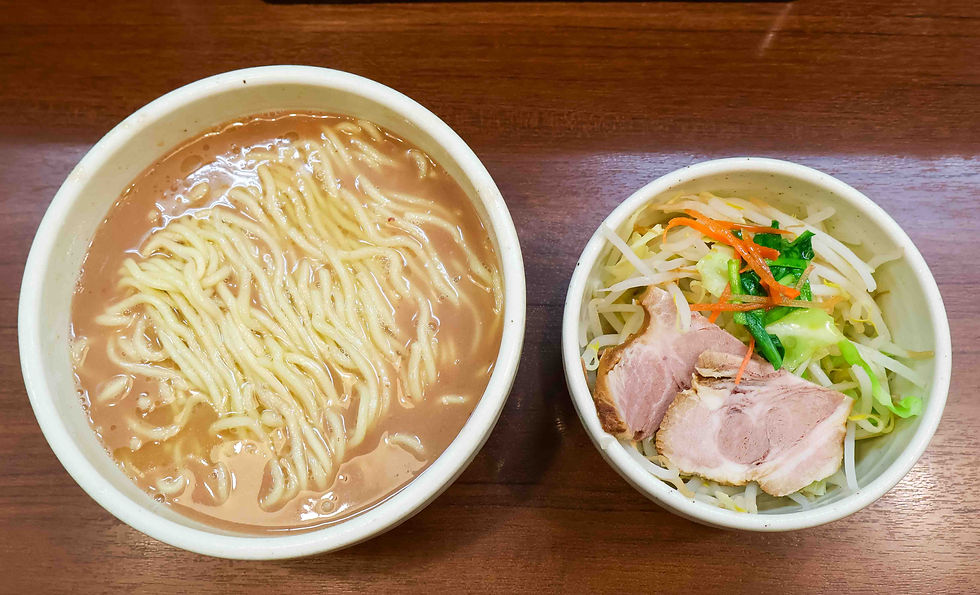
The noodles are extra thick, which is unusual for pure tonkotsu ramen. What really sets Isshō apart is its approach to toppings: everything is served on the side and dipped into the soup. The “plain” set includes pork chashu and soy-seasoned vegetables. The lineup expands from there to tomato-based versions, a garlicky Jiro-inspired option, and more- eight different sides in total.
10. Botan (Otsuka)
Walking into Botan (博多長浜ラーメン ぼたん 大塚本店) feels like stepping straight into Kyushu. Handwritten menus cover the walls, orders are shouted across the room, and the whole place hums like a classic Fukuoka neighborhood shop. Before you even sit down, the pork aroma smacks you in the face like a porky sledgehammer.

The bowl itself doesn’t hold back. It’s less grainy than Kazu, but Botan’s tonkotsu delivers the same heavy punch of porkiness. A shoyu backbone adds weight without muddying the flavor. This is no-nonsense tonkotsu. It's deeply savory and unapologetically Kyushu. Easily one of Otsuka’s quieter standouts.
Map Link
There you have it - my top 10 picks for tonkotsu ramen in Tokyo!


